Where the Casa Blanca Brand Fits in the 2026 Designer Industry
Although the spelling “Casa Blanca brand” is often used by online shoppers, it refers to the actual Casablanca fashion house headquartered in Paris and established by Charaf Tajer in 2018. In the dense luxury landscape of 2026, Casablanca holds a defined and increasingly influential slot: current luxury with powerful narrative, finest materials and a design DNA grounded in tennis, exploration and leisure culture. The brand unveils collections during Paris Fashion Week, distributes through luxury multi-brand boutiques and department stores internationally, and lists its pieces in line with labels like Amiri, Jacquemus, Rhude and Palm Angels. This status places Casablanca higher than premium streetwear but below heritage luxury giants like Louis Vuitton or Gucci, offering it freedom to scale while preserving the design freedom and allure that drive its trajectory. Understanding where the Casa Blanca brand resides in this pecking order is key for customers who seek to buy intelligently and recognise the value behind each investment.
Profiling the Core Audience
The typical Casablanca customer is a trend-aware consumer between 22 and 42 years old who holds dear individuality, travel and cultural life. Many buyers are employed in or adjacent to creative professions—design, media, music, hospitality—and search for clothing that conveys taste and individuality rather than status alone. However, the brand also appeals to workers in finance, tech and law who wish to set apart their casual wardrobes with something more distinctive than generic luxury staples. Women account for a expanding share of the customer base, captivated by the label’s fluid shapes, colourful prints and resort-ready mood. In terms of geography, casablanca mode the strongest markets in 2026 include Western Europe, North America, the Middle East, Japan and South Korea, though Instagram has expanded visibility globally. A notable additional audience consists of fashion collectors and secondary-market traders who watch special drops and vintage pieces, seeing the brand’s capacity for increase in value. This wide-ranging but consistent customer makeup grants Casablanca a large revenue base while maintaining the feeling of scarcity and cultural richness that captivated its first fans.
Casa Blanca Brand Target Audience Categories
| Group | Age Bracket | Driver | Preferred Categories |
|---|---|---|---|
| Cultural professionals | 25–40 | Individuality | Silk shirts, knitwear, prints |
| Luxury streetwear fans | 18–35 | Drops | Hoodies, track sets, caps |
| Travel and travel shoppers | 28–45 | Resort dressing | Shorts, shirts, accessories |
| Collectors and resellers | 20–38 | Rarity | Past prints, collaborations |
| Women customers | 22–42 | Fluidity | Dresses, skirts, silk pieces |
Price Tier and Worth Narrative
Casablanca’s cost model embodies its status as a modern luxury house that prioritises design, textile excellence and small-batch production over mass-market availability. In 2026, T-shirts usually retail between 200 and 350 dollars, hoodies and sweatshirts between 400 and 700 dollars, silk shirts between 700 and 1 200 dollars, knitwear between 450 and 900 dollars, and outerwear between 800 and 2 000 dollars depending on complexity and textiles. Accessories like caps, scarves and small bags run from 100 to 500 dollars. These prices are largely similar to labels like Amiri and Rhude but can be cheaper than some Jacquemus or Off-White pieces at the premium end. What validates the outlay for many customers is the fusion of exclusive artwork, superior build and a clear creative identity that makes each piece seem thoughtful rather than ordinary. Secondary-market values for coveted prints and exclusive drops can exceed launch retail, which supports the view of Casablanca as a smart buy rather than a losing expense. Customers who assess cost per wear—considering how frequently they actually wear a piece—often find that a adaptable silk shirt or knit from Casablanca provides solid value despite its sticker price.
Retail Plan and Physical Footprint
The Casa Blanca brand uses a deliberate placement approach built to protect allure and stop overexposure. The primary direct-to-consumer channel is the main website, which offers the full range of present collections, limited drops and periodic sales. A main store in Paris serves as both a sales space and a immersive centre, and pop-up locations surface from time to time in cities like London, New York, Milan and Tokyo during fashion events and arts events. On the B2B side, Casablanca collaborates with a selective network of upscale retailers including SSENSE, Mr Porter, Farfetch, Browns, Dover Street Market and selected department stores such as Selfridges, Neiman Marcus and Isetan. This limited distribution guarantees that the brand is available to serious shoppers without showing up in every discount outlet or fast-fashion aggregator. In 2026, Casablanca is understood to be extending its store network with full-time stores in two extra cities and deeper spending in its e-commerce experience, featuring digital try-on features and upgraded size tools. For customers, this means rising availability without the ubiquity that can diminish luxury perception.
Brand Standing Relative to Competitors
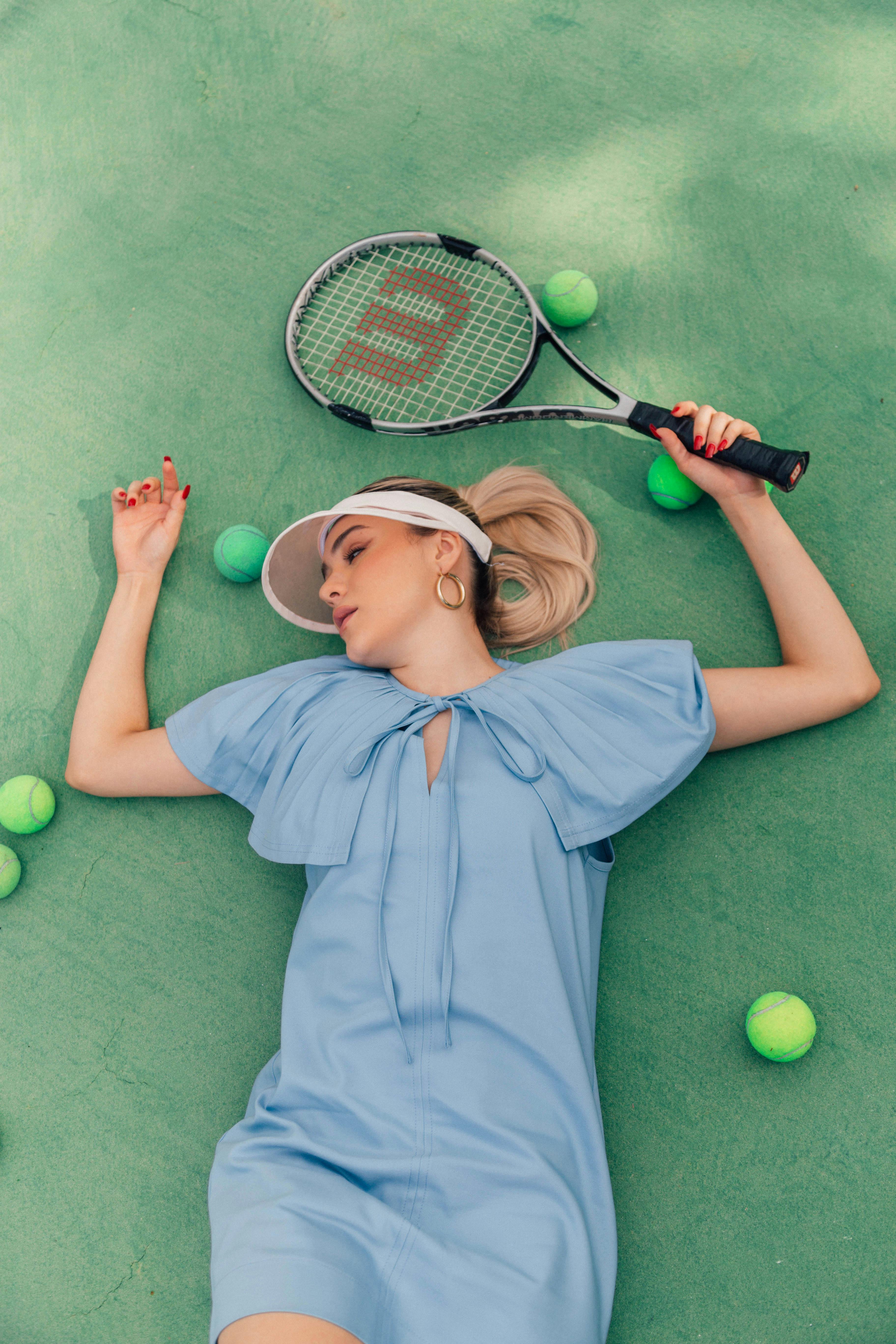
Grasping the Casa Blanca brand’s positioning requires contrasting it with the labels it most commonly is stocked with in premium stores and style editorials. Jacquemus has a parallel French luxury heritage but gravitates more toward restraint and understated palettes, rendering the two brands complementary rather than opposing. Amiri delivers a more intense, rock-influenced California look that resonates with a distinct sensibility. Rhude and Palm Angels operate in the premium street space with print-heavy designs that overlap with some of Casablanca’s informal pieces but lack the resort and tennis thread. What separates Casablanca apart from all of these is its consistent investment in artistic prints, color richness and a defined spirit of delight and ease. No other label in the contemporary luxury tier has constructed its complete identity around tennis culture and European travel with the same richness and consistency. This singular place affords Casablanca a strong identity that is challenging for imitators to imitate, which in turn supports long-term market position and pricing power.
The Importance of Partnerships and Capsule Editions
Joint ventures and special releases serve a calculated purpose in the Casa Blanca brand’s strategy. By teaming up with athletic brands, arts institutions and living brands, Casablanca exposes itself to new audiences while generating enthusiast excitement among existing fans. These editions are generally manufactured in limited quantities and include co-branded prints or unique shades that are not offered in core collections. In 2026, joint-venture pieces have turned into some of the most coveted items on the secondary market, with select releases moving above first retail within days of going live. For the brand, this strategy produces news attention, funnels traffic to websites and strengthens the view of rarity and cachet without undermining the main collection. For customers, collaborations provide a chance to possess special pieces that stand at the meeting point of two artistic worlds.
Future Outlook and Customer Approach
For shoppers thinking about how the Casa Blanca brand fits into their personal aesthetic universe in 2026, the label’s standing implies a few smart paths. If you desire a wardrobe centred on vibrant colour, print and resort energy, Casablanca can act as a key source for anchor pieces that ground outfits. If your style is more restrained, one or two Casablanca pieces—a knit, a shirt or an accessory—can inject individuality into a minimal wardrobe without revamping your full closet. Collectors and collectors should monitor limited prints and partnership releases, which traditionally keep or beat their original value on the aftermarket market. No matter the path, the brand’s investment in excellence, brand story and limited distribution creates a customer experience that feels purposeful and worthwhile. As the luxury market evolves, labels that provide both emotional depth and measurable quality are likely to beat those that bank on buzz alone. Casablanca’s status in 2026 signals that it is planning for longevity rather than short-lived buzz, positioning it a brand meriting monitoring and investing in for the foreseeable future. For the current pricing and stock, visit the official Casablanca website or shop selections on Mr Porter.